


Nothing ruins a holiday faster than realising your money has vanished.
That’s why finding the safest way to carry money when travelling is so important – not just to protect those travel savings you worked so hard on, but to keep your well-earned holiday running smoothly. We’ll also look at the best way to carry cash so you’re never caught out.
Travelling with money doesn’t have to be stressful if you use a simple, layered system that makes your money easy to access when you need it, and safe when you don’t.
We’ve road-tested these tips with four kids and long trips. Think lost wallets, frozen cards, crowded markets, and tired parents. We’ve been through it all. By the time I’m done with you here, you’ll know exactly what to carry, where, and why.
What Is The Safest Way To Carry Money When Travelling?
Imagine losing your wallet,
having it stolen,
maybe the bank freezes your card,
or the ATM swallows one whole.
Nightmare, right? Especially with kids.
As precious as our little ankle-biters are, they’re not great at skipping meals or sitting patiently while you sort it all out. Unfortunately I don’t have one magic answer for you when it comes to the safest way to carry money when travelling: there’s no one-size-fits-all answer.
The best strategy? Use multiple methods. This reduces the risk of losing everything. It’s all about being prepared, not complacent. In the following tips, I’ll dive into how to keep your money safe and accessible. No sweat, no stress, just smart travelling.
25 Best Tips For Dealing With Money Safely While Travelling
Here are 25 smart, skimmable tips to protect your money while you’re travelling. They’re practical moves our family actually uses—simple habits, big payoff. Scan the list, pick a few, and build a system that keeps you safer and on-budget.
Tips To Keep Money Safe While Travelling
1. Avoid Getting Your Wallet Out In Public As Much As Possible
- Flashing your wallet often makes you stand out.
- Pickpockets notice quickly, especially in crowded places.
- The less you show, the safer you are.
How to do it:
- Keep your main wallet zipped away in a bag or inside pocket.
- Carry a small amount of “day cash” separately for easy access.
- Use it for snacks, tickets, or tips without exposing cash and bank cards that are in your main wallet.
Why it helps:
- Reduces the risk of theft.
- Keeps transactions fast and discreet.
- Doubles as a budgeting tool—your pocket cash has a set limit.
👉 A simple habit that protects your money and gives peace of mind.
2. Always Have Small Bills On Hand
- Large notes attract attention and make you a target.
- Vendors may “not have change,” pushing you to overspend.
- Smaller bills let you pay quickly and discreetly.
How to do it:
- Keep big notes hidden in a secure spot.
- Carry a mix of smaller denominations in your wallet or pocket.
- Top up your small-bill stash each morning before heading out.
Why it helps:
- Perfect for tips, bus fares, or small snacks.
- Speeds up transactions and avoids awkward moments.
- Keeps your spending under control while keeping cash safe. Small bills also help keep cash safe while travelling, since you’re not flashing large notes.
👉 A little planning with small bills makes everyday travel easier, safer, and far less stressful.
3. Keep Your Wallet Where Only You Can Reach
- Tourist areas are prime spots for pickpockets.
- Back pockets and loose bags are easy targets.
- Distractions in crowds make it simple for thieves to strike.
How to do it:
- Use front pockets, inside jacket pockets, or a money belt.
- Wear your bag across your chest, always in sight.
- Attach your wallet to a chain or carabiner for extra security.
Why it helps:
- Makes your cash and cards harder to access.
- Keeps valuables within your sight and control.
- Cuts the risk of theft in busy tourist areas. This is the simplest way to keep your wallet safe when travelling in crowded places.
👉 A simple switch in where you carry your wallet can keep it safely in your hands—not someone else’s.
4. Use A Theft Proof Bag
- Not all bags are made equal when it comes to safety.
- Regular totes and backpacks are easy targets for quick hands.
- Theft-proof bags are designed to make stealing much harder.
How to do it:
- Look for features like slash-resistant straps, lockable zippers, and hidden pockets.
- Wear crossbody styles rather than shoulder bags for better control.
- Keep the bag in front of you, especially in crowded spaces.
Why it helps:
- Prevents “slash and grab” thefts common in busy tourist areas.
- Makes it harder for anyone to unzip and reach inside unnoticed.
- Gives you peace of mind so you can focus on enjoying your trip.
👉 Investing in a theft-proof bag may cost more upfront, but it’s cheaper than replacing stolen cash, cards, or passports.
5. Only Carry The Essentials
- Carrying everything you own makes you more vulnerable if something goes wrong.
- Thieves can’t steal what you don’t have on you.
- Keep only what you truly need for the day.
How to do it:
- Always carry essentials like an ID card, insurance details, and one bank card.
- Leave your passport, spare cards, and excess cash in a safe spot back at your hotel.
- Take photos or digital copies of important documents as backup.
Why it helps:
- Minimises the damage if you lose your wallet or bag.
- Keeps your travel lighter and less stressful.
- Ensures you still have backups stored safely for emergencies.
👉 Less really is more when it comes to what you carry—pack only what you’ll actually need, and secure the rest.
6. Use A Dedicated Travel Wallet
- Mixing travel documents and money in your everyday wallet creates clutter and risk.
- A dedicated travel wallet keeps everything organised and easier to access.
- It also separates “home life” cards from what you actually need abroad.
How to do it:
- Choose a slim, lightweight wallet.
- Look for RFID-blocking features to protect against digital theft.
- Keep travel-only items inside—one or two bank cards, an ID card and some cash.
Why it helps:
- Prevents you from carrying extra cards or IDs you don’t need overseas.
- Keeps important items in one place, reducing stress at airports or borders.
- Offers better organisation so you can pay or show documents quickly. It’s also the best way to carry passport and money when travelling together in one safe place.
👉 A dedicated travel wallet is a small investment that makes your trip smoother, safer, and far less stressful.
7. Pack A Dummy Wallet
- A decoy wallet can be a smart backup in risky situations.
- If you’re ever confronted, you can hand it over and walk away.
- Thieves often won’t realise it’s fake until you’re long gone.
How to do it:
- Use an old or cheap wallet and fill it with a few expired cards.
- Add a small amount of local currency to make it believable.
- Keep your real wallet hidden separately and only bring out the decoy if needed.
Why it helps:
- Buys you time to get away safely during a robbery or mugging.
- Protects your actual cash, cards, and ID.
- Provides peace of mind, especially in high-risk or unfamiliar areas. A dummy wallet is cheap to make and could save you from losing your real one.
👉 Hopefully, you’ll never need it—but carrying a decoy wallet is an easy, added layer of protection.
8. Use Cards And Limit Cash
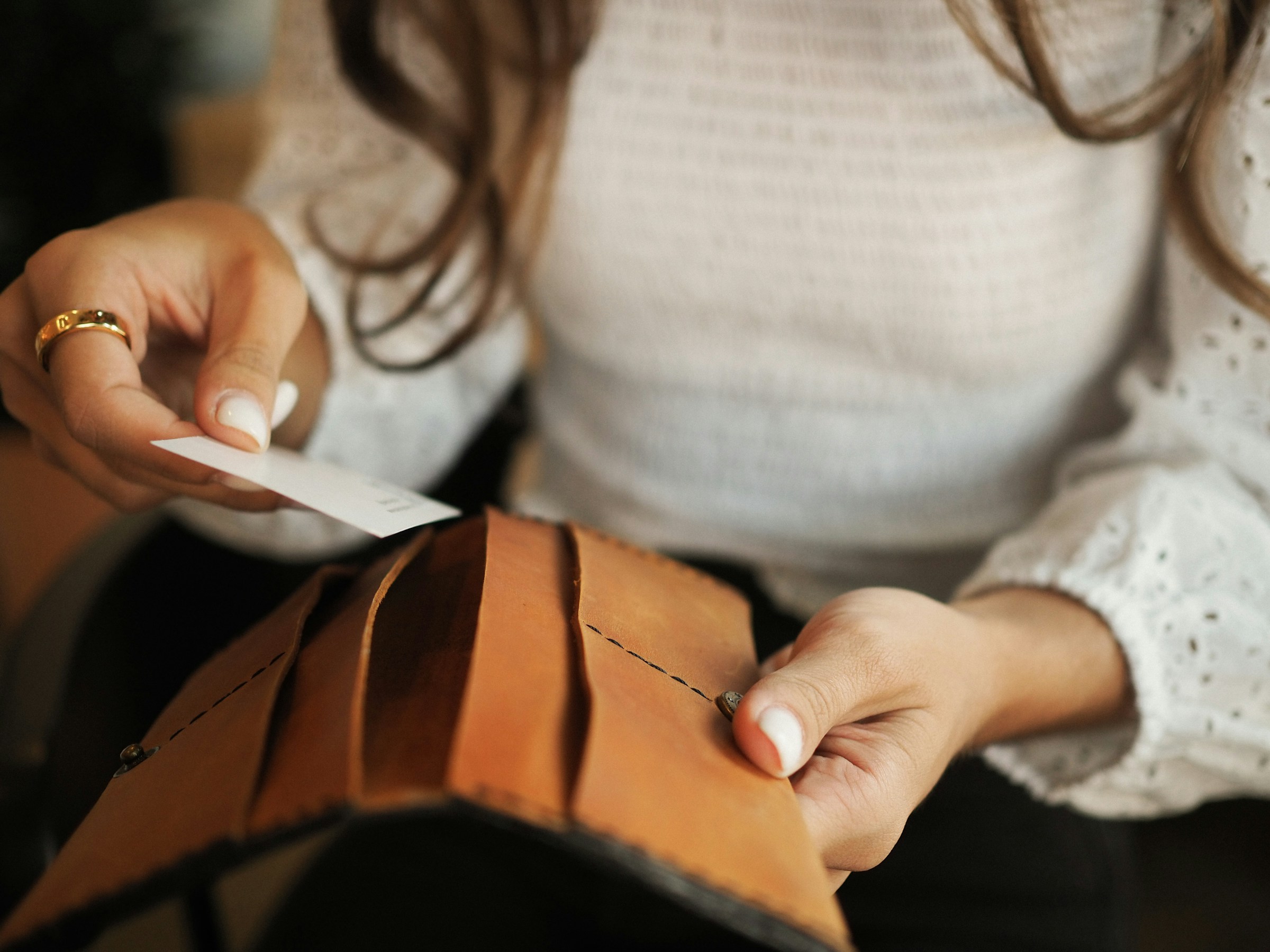
- Carrying too much cash makes you a bigger target.
- Bank or credit cards offer extra protection if they’re lost or stolen.
- Most banks can block a card instantly and refund unauthorised charges.
How to do it:
- Use your credit card for larger purchases like hotels or restaurants.
- Keep just enough cash for tips, small shops, and transport.
- Notify your bank of your travel plans to avoid declined transactions.
Why it helps:
- Protects your money—cards can be cancelled, but cash is gone for good.
- Helps track your spending through online banking or mobile apps.
- Reduces the need to constantly find and carry large amounts of local currency.
👉 By leaning on cards and limiting cash, you get more security, better tracking, and less to worry about while travelling.
9. Utilise Money Alternatives
- Carrying less cash lowers your risk of theft or loss.
- Many cities offer prepaid transport cards or digital passes.
- These cut down on how often you need to handle cash.
How to do it:
- Buy a multi-use transport card for buses, trains, or trams.
- Use mobile payment apps where accepted for quick, secure purchases.
- Preload cards for attractions or museums to avoid carrying extra cash.
Why it helps:
- Reduces the need to constantly visit ATMs or carry large notes.
- Speeds up transactions—just tap and go instead of fumbling with coins.
- Keeps your cash supply for situations where alternatives aren’t available.
👉 Swapping some of your spending to prepaid cards and digital payments makes travel smoother, safer, and far more convenient.
10. Avoid Secluded ATM’s
- ATMs in dark or quiet spots are an easy setup for theft.
- Thieves look for distracted travellers withdrawing large amounts of cash.
- Choosing safer locations makes a big difference.
How to do it:
- Use ATMs inside banks, shopping centres, or hotels whenever possible.
- Withdraw money during the day when it’s busy and well-lit.
- If you must use one at night, take a friend with you.
Why it helps:
- Reduces the chance of being targeted after withdrawing cash.
- Provides extra safety in crowded, monitored locations.
- Helps you feel more confident and less stressed while accessing money.
👉 A little planning when choosing an ATM can save you from unnecessary risks—stick to safe, busy, and well-lit spots.
11. Prepare And Organise Your Money System Each Morning
- A few minutes of money prep saves stress later in the day.
- Having the right mix of bills, coins or cards makes paying easier.
- Larger notes should always be tucked safely away.
How to do it:
- Set aside “day money” in small bills for snacks, tickets, and tips.
- Store larger notes in separate, hidden spots like a money belt or hotel safe.
- Keep coins handy for public transport or small local shops.
Why it helps:
- Prevents you from fumbling through cash in public.
- Makes transactions smoother and quicker throughout the day.
- Limits loss—if you lose your day money, it’s only a small amount.
👉 A simple morning routine keeps your money system organised, your budget on track, and your valuables secure.
12. Check Your Accounts Regularly
- Small fraudulent charges can slip by unnoticed if you don’t keep an eye on them.
- Regular bank account checks keep you in control of your money while abroad.
- Most banks have apps that make monitoring simple and fast.
How to do it:
- Log in daily or every few days to check balances and transactions.
- Set up account alerts for unusual activity or large withdrawals.
- Use secure Wi-Fi or a VPN when accessing banking apps.
Why it helps:
- Lets you spot fraud early before it grows into a bigger problem.
- Ensures you always know how much you have left to spend.
- Gives peace of mind knowing your accounts are safe and accurate.
👉 A quick scan of your accounts takes minutes but can save your money—and your trip—from serious headaches.

13. Bank Securely While Travelling
- Online banking is quick and convenient, but it can expose you to risks.
- Hackers often target travellers using unsecured public Wi-Fi.
- A few precautions can keep your information safe.
How to do it:
- Password-protect all your devices before leaving home.
- Avoid logging into bank accounts on free public Wi-Fi.
- Use your cellular data, a secure hotel network, or a VPN instead.
- Always log out after checking your accounts.
Why it helps:
- Protects sensitive details like card numbers and login information.
- Prevents hackers from accessing your accounts while you travel.
- Gives you peace of mind knowing your hard-earned travel savings are secure online.
👉 Secure banking doesn’t take much effort—just a few smart steps to keep your money protected wherever you are.
14. Have A Back-Up Of Important Financial Information
- Losing a card or wallet abroad can be stressful and costly.
- Having backups of your details makes fixing problems much easier.
- A little preparation goes a long way.
How to do it:
- Photocopy or take pictures of your cards (front and back).
- Note down your bank’s international helpline numbers.
- Store copies securely on a USB, password-protected cloud storage, and with a trusted family member at home.
- Keep one paper copy in a safe spot, separate from your wallet.
Why it helps:
- Gives you quick access to card numbers if you need to cancel them.
- Speeds up the process of replacing lost or stolen cards.
- Ensures you’re not stranded without vital financial information.
👉 You may never need these backups, but if you do, you’ll be grateful you were ready.
15. Protect What You Can With Travel Insurance
- Travel insurance is one of the best safety nets while abroad.
- It won’t cover everything, but it can save you from huge losses.
- Baggage loss, theft, or damage benefits are especially important.
How to do it:
- Choose a policy that covers personal belongings, electronics, and luggage.
- Take photos of cash, valuables, and items while packing your suitcase.
- Keep receipts for expensive items to document their value.
- Remember: stolen cash is rarely covered, so carry only what you need.
Why it helps:
- Provides financial reimbursement for lost or damaged belongings.
- Gives you peace of mind when something goes wrong.
- Ensures you’re not paying out-of-pocket for big replacements.
👉 Travel insurance may feel like an extra expense, but it’s far cheaper than replacing valuables on your own.
Tips To Hide Money While Travelling
16. Use On-Body Money Storage Accessories
- Keeping all your cash in one spot makes it easier to lose it all. Many travellers consider this the safest way to carry cash while traveling.
- On-body storage spreads the risk while keeping your money close. These tricks make it easy to hide cash while travelling without drawing attention.
- The goal is to hide cash where only you can access it.
How to do it:
- Use flat money belts or neck wallets under your clothes—never over.
- Pick discreet designs with RFID blocking to protect against digital theft.
- Avoid pulling cash from these in public—step into a toilet or private space.
- Try other clever options: money belts that look like real belts, money socks, stash underwear, bras, or even money-hiding shoes. A traditional travel money belt still works well, especially modern slim designs with RFID blocking.
- Keep a small amount of “day cash” in your pocket or bag for quick use.
Why it helps:
- Makes it harder for pickpockets to find all your money at once.
- Keeps documents like passports safe and out of sight.
- Adds multiple layers of protection while travelling. Many travellers consider this the safest way to carry cash while travelling.
👉 On-body storage is one of the smartest ways to hide money and documents while abroad. Flat pouches and stash underwear are classic examples of how to hide money on your body.
17. Take Advantage Of Clothes With Hidden Pockets
- Travel clothing often comes with secret pockets designed for security.
- These spots make it harder for thieves to know where your money is.
- Best of all, they keep your hands free and your valuables discreet.
How to do it:
- Look for jackets, pants, or leggings with zippered inside pockets.
- Store flat items like cash, cards, or a copy of your passport.
- Rotate where you keep items so you’re not relying on a single pocket.
- Combine hidden pockets with other storage methods for layered protection.
Why it helps:
- Keeps essentials close to your body and harder to grab.
- Reduces the chance of losing everything in one theft.
- Lets you carry money without bulky bags or accessories.
👉 Clothes with hidden pockets blend comfort, style, and security—perfect for travellers who want to stay light while keeping valuables safe. It’s one of the clever ways to hide money in clothing while traveling.
18. Don’t Leave Money In Your Checked Luggage During Transit
- Checked luggage is out of your sight for hours and vulnerable to loss.
- Cash and valuables should always stay with you in carry-on.
- Airlines won’t reimburse stolen cash, so pre-planning is key. If you’re wondering about the best way to carry cash when flying, the answer is always keep it in your carry-on.
How to do it:
- Keep money and important documents in your carry-on bag.
- Invest in bags with built-in safeguards: steel wire–reinforced straps, lockable zippers, or security hooks that attach to immovable objects.
- For carry-on, choose luggage with hidden compartments or RFID-blocking pockets for added security.
Why it helps:
- Protects valuables from disappearing during baggage handling.
- Gives you peace of mind knowing your essentials are always close.
- Reduces the risk of being stranded without money or ID. The safest way to carry cash through airport security is to keep it in your carry-on or on-body storage.
👉 Treat checked luggage as replaceable—your money and valuables should never be inside it.
19. Divide Your Money In Multiple Places
- Keeping all your money in one spot is risky while travelling.
- If it’s lost or stolen, you’re left with nothing.
- Splitting it into safe places spreads the risk. This is also how to carry large amounts of cash safely—by dividing it across different spots.
How to do it:
- Split cash and cards between your wallet, your partner’s wallet, and hidden pockets.
- Use unusual hiding spots like a dirty laundry bag or nappy storage.
- Keep some money on you for daily use, with backups tucked away.
Why it helps:
- Reduces the chance of losing all your funds in one go.
- Makes theft less devastating—you’ll always have something left.
- Offers peace of mind knowing you have backup cash and cards.
👉 Think of it as spreading your safety net—divide and protect so a single loss doesn’t ruin your trip.
20. Stow Away Money And Valuables At Destination
- Sometimes the safest option is not to carry valuables at all.
- Hotels and rentals often provide safes or secure storage for this reason.
- Carrying less means fewer opportunities for theft.
How to do it:
- Use your hotel’s in-room safe for passports, spare cards, and extra cash.
- If there’s no safe, ask at reception—many hotels offer secure storage.
- Keep a record of what you’ve stored, and double-check before checkout.
- Carry only what you need for the day and leave the rest behind.
Why it helps:
- Limits what thieves could take if you’re targeted outside.
- Reduces stress by knowing valuables are locked up securely.
- Lets you enjoy your trip without carrying a heavy “just in case” load.
👉 Less on you, more secured at your destination—it’s one of the simplest ways to protect your money while you’re out and about.
21. Get Creative When It Comes To Hiding Places
- Thieves know the obvious spots—wallets, handbags, and backpacks. If you’re wondering where to hide money when traveling, the trick is to avoid the obvious.
- Hiding money in unusual places gives you an extra layer of security.
- The goal is to be unpredictable.
How to do it:
- Use hollow items like the handle of a hairbrush or an empty water bottle. These tricks are great if you need to conceal money in unexpected ways.
- Slip folded bills into a pack of tissues, a lip balm tube, or even a sock tucked deep in your bag.
- Keep your “creative cash” separate from your main spending money.
Why it helps:
- Makes it harder for thieves to find everything, even if they access your bag.
- Gives you an emergency backup if your wallet is stolen.
- Adds peace of mind by knowing you’ve outsmarted the obvious hiding spots. These are just a few ways to hide money while travelling. Get creative and be unpredictable.
👉 A little creativity in hiding places can be the difference between losing it all or having a safe backup. These are just a few ways to hide money while traveling—get creative and be unpredictable.
💡 Bonus Tip: How to Hide Valuables at the Beach!
- Beaches are tricky—your stuff is often left unattended while you swim.
- A few clever tricks can keep your money and valuables safer.
How to do it:
- Tie your bag to a beach chair or use a travel bag with a retractable security chain to lock it to a tree or pole.
- Keep essentials close with a waterproof pouch or case you can wear in the water.
- Repurpose everyday items as hiding spots: an old sunscreen bottle or empty food container.
- For ultimate disguise, seal items inside a clean disposable nappy—no one will want to touch it!
👉 With a little creativity, you can relax at the beach knowing your valuables are safe while you enjoy the waves.
Tips To Keep Money Safe While Travelling Abroad
22. Contact Your Bank Before Travelling
- Banks monitor unusual activity, and charges overseas may trigger a block.
- A quick call or online notice prevents frustrating card declines abroad.
- It also ensures your bank knows how to reach you if issues arise.
How to do it:
- Let your bank know your travel dates and destinations.
- Update your contact details, including an email or number you’ll use overseas.
- Ask about international fees, withdrawal limits, and emergency card replacement.
- Save your bank’s international helpline in your phone and written down.
Why it helps:
- Avoids embarrassing declined payments when you need them most.
- Gives you clarity on fees so you can budget better.
- Ensures you know what to do if a card is lost or stolen.
👉 A few minutes of preparation with your bank makes spending abroad far smoother and safer.
23. Ditch The Travellers Cheques
- Traveller’s cheques used to be a safe way to carry money.
- Today, they’re outdated, hard to cash, and often come with high fees.
- Most shops and banks don’t accept them anymore.
How to do it:
- Use debit or credit cards for everyday purchases instead.
- Withdraw local currency from ATMs when needed—just choose safe, well-lit ones.
- Carry a small amount of emergency cash in case cards don’t work.
Why it helps:
- Saves you from the hassle of finding banks that still handle cheques.
- Gives you faster, safer, and more reliable access to money.
- Keeps your travel simple, modern, and stress-free.
👉 Traveller’s cheques belong to the past—ditch them and use today’s safer, more convenient money tools.
24. Always Have A Backup Card
- Losing a card abroad can leave you stranded without access to money.
- A backup card ensures you always have another way to pay.
- It’s a simple safety net that makes a big difference.
How to do it:
- Carry at least two cards from different banks or providers.
- Store your backup in a separate spot—hidden pocket, partner’s wallet, or hotel safe.
- Choose one card with no foreign transaction fees to save money.
- Keep your bank’s helpline handy in case you need to cancel a lost card.
Why it helps:
- Reduces stress if your main card is lost, stolen, or blocked.
- Ensures you’re never completely cut off from funds.
- Gives peace of mind knowing you always have a backup plan.
👉 A spare card tucked safely away can be the lifeline that saves your trip.
25. Keep An Emergency Reserve Of Cash
- Even in today’s digital world, cash is still important in some situations.
- Cards may get lost, stolen, or simply not work in remote areas.
- An emergency stash ensures you’re never left without options.
How to do it:
- Set aside a small reserve of cash in the local currency and maybe some US dollars or euros, which are widely accepted.
- Hide it separately from your daily spending money—use a money belt, hidden pocket, or hotel safe.
- Refresh your reserve if you dip into it during your trip.
Why it helps:
- Provides a safety net if cards fail or ATMs aren’t available.
- Reduces stress knowing you always have a backup plan.
- Ensures you can cover essentials like food, transport, or accommodation.
👉 An emergency reserve is your ultimate travel safety blanket—small, hidden, and ready when you need it.
Best Way To Travel With Money: Organisation And Systems
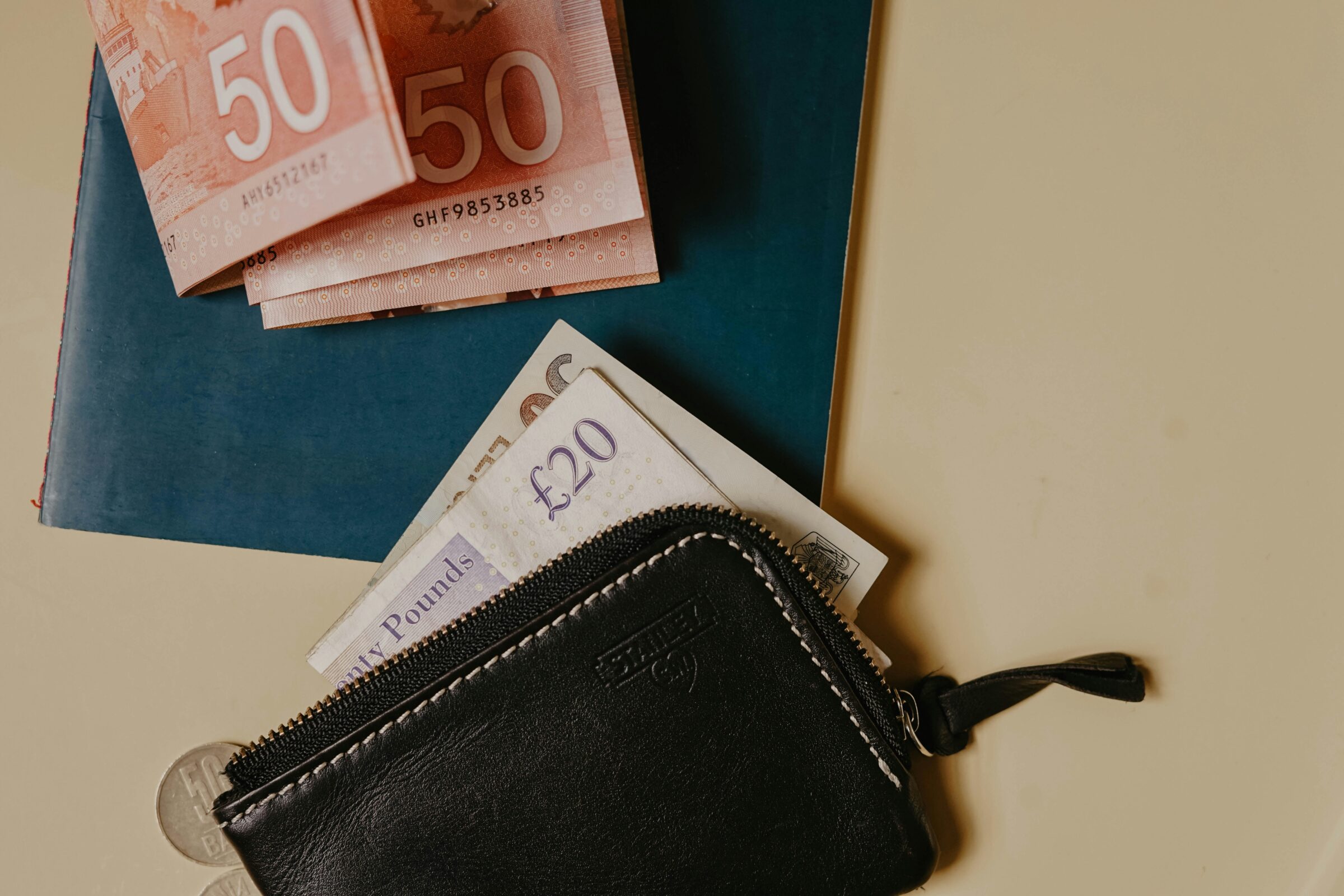
Keeping your money safe while travelling isn’t just about avoiding theft—it’s also about staying organised.
Having a clear system for cash, cards, and emergency funds means you’ll always know where things are and how to access them when you need to.
Here’s a simple breakdown of how to structure your travel money system.
Cash
Carry small bills for expenses that require cash, like food, tips, and public transport. Keep larger notes tucked away securely and only bring out what you need each day. This makes payments easier and limits your risk of theft.
Card
Use a debit or credit card for daily and larger purchases such as hotels, dining, or shopping. Cards often come with built-in protection against fraud, making them a safer choice than carrying large amounts of cash.
Back-Up Cash
Always keep a separate stash of money hidden in a secure spot, like your hotel safe or a discreet on-body accessory. If your main wallet is lost or stolen, you’ll still have access to funds.
Emergency Travel Fund
Set aside a small, untouched emergency fund—either in local currency or a widely accepted one like USD or euros. This is your last-resort money for unexpected situations like medical needs or lost cards. For a step-by-step guide to preparing your money system, ready for travel, download my free Pre-Trip Financial Checklist, which walks you through everything you’ll need to feel prepared and secure. And if you’re still in the saving-and-planning phase, check out my post on how to afford your next family vacation that will help you build that travel fund before you go.
FAQ’s
Should I Bring Cash On My Trip?
Yes, you should bring some cash on your trip, but not too much. Cash is useful for small purchases, tips, and places that don’t accept cards. Keep only what you’ll need for the day in your pocket or wallet, and store the rest in a safe spot for emergencies.
What Is The Best Amount Of Cash To Carry?
The best amount of cash to carry is just what you need for daily expenses. Keep enough for food, transport, and small purchases, while storing larger reserves securely in your hotel safe or hidden compartments. Avoid carrying large sums to reduce risk if your wallet is lost or stolen.
What’s The Best Way To Carry Cash When Travelling?
The best way to carry cash when travelling is to divide it into multiple safe spots. Keep small bills handy in your wallet or pocket for quick use, and hide larger amounts in money belts, inside jacket pockets, or secure bags. This reduces risk if one stash is lost or stolen.
What Is The Safest Way To Travel With Cash?
The safest way to travel with cash is to spread it out and use on-body storage. Carry only what you’ll need for the day, and tuck the rest away. Combining money belts, hidden pockets, and discreet stashes keeps your cash safer from pickpockets and accidents.
Can You Carry Cash In Your Pocket Through Airport Security?
Yes, you can carry cash in your pocket through airport security without issues. Security staff don’t restrict how much cash you carry, but large amounts may raise questions at customs. For convenience and safety, split your money between pockets, travel wallets, or hidden pouches.
Should I Put Cash In Luggage Or Carry-On?
Always keep cash in your carry-on, never in checked luggage. Checked bags can be lost, delayed, or tampered with, and airlines don’t cover stolen money. Carry-on luggage stays with you, making it the safer option for storing cash and important documents during transit.
Is It Better To Carry Cash Or Card When Traveling?
It’s best to carry both cash and a card when traveling. Use your card for most purchases, and keep cash for small shops, tips, or areas where cards aren’t accepted. Having both ensures you’re covered in any situation.
How Do I Hide Cash In My Luggage At The Airport?
To hide cash in your luggage at the airport, use creative, discreet spots. Slip small bills into toiletry kits, inside socks, or a sealed envelope in a book. Always divide money into different locations and keep most of it with you in carry-on, not in checked bags.
Where Is The Safest Place To Keep Cash?
The safest place to keep cash is in multiple secure spots. Use a hotel safe for reserves, a money belt or hidden pocket for travel days, and a small wallet for daily expenses. This way, even if one stash is lost or stolen, you won’t lose everything.
Should You Carry Cash On You At All Times?
You should carry some cash on you at all times, but only small amounts. Keep enough for meals, transport, or emergencies, while storing the rest securely. Carrying everything at once increases your risk of loss, so balance convenience with safety.
Should You Exchange Money Before Going Abroad?
Yes, exchange a small amount of money before going abroad for immediate expenses like transport or food. However, avoid exchanging all your money at home—rates abroad or at ATMs often work out better. A mix of local cash and a card gives you flexibility.
Should You Bring Cash When Traveling Internationally?
Yes, you should bring some cash when traveling internationally, but don’t rely on it entirely. Many places accept cards, but cash is still needed for tips, markets, and transport. Carry a mix of cards and small bills to cover every situation safely.
Wrapping It Up: What Is The Safest Way To Carry Money When Travelling?
At the end of the day, the safest way to carry money when travelling isn’t one secret hack—it’s a system.
By spreading out your cash, using cards wisely, and keeping backups ready, you protect yourself from the stress of theft, loss, or frozen accounts. We’ve learnt this the hard way on family trips, and trust me—it’s far easier to enjoy your travels when your money is organised and secure.
Now that you know how to keep it safe, the next step is planning how to spend it! Check out my guide on creating a family travel budget—it’s the perfect tool to help you map out costs, avoid overspending, and make your next adventure stress-free from start to finish.

Rachel Doust is the founder of House of Doust, where she shares practical tips on family travel and smart budgeting for parents who want meaningful adventures without financial stress. A mum of four and a lifelong traveller, Rachel has a heart for helping parents feel more confident about travel and money through honest advice, real-life experience, and easy-to-use resources. When she’s not on the road, she’s busy creating tools that make trip planning simpler for busy families.
love this post? share it!


